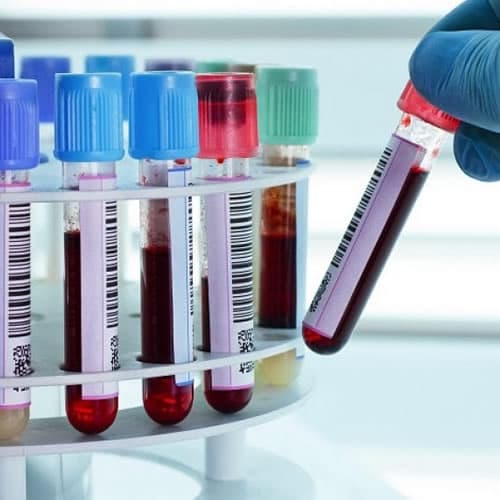
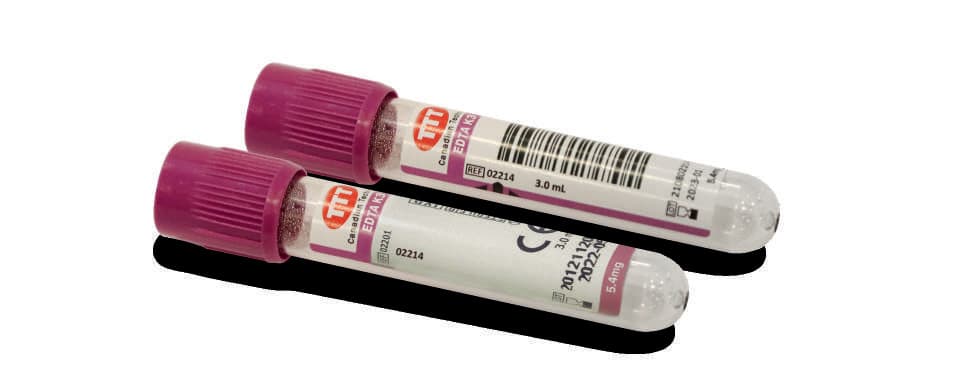
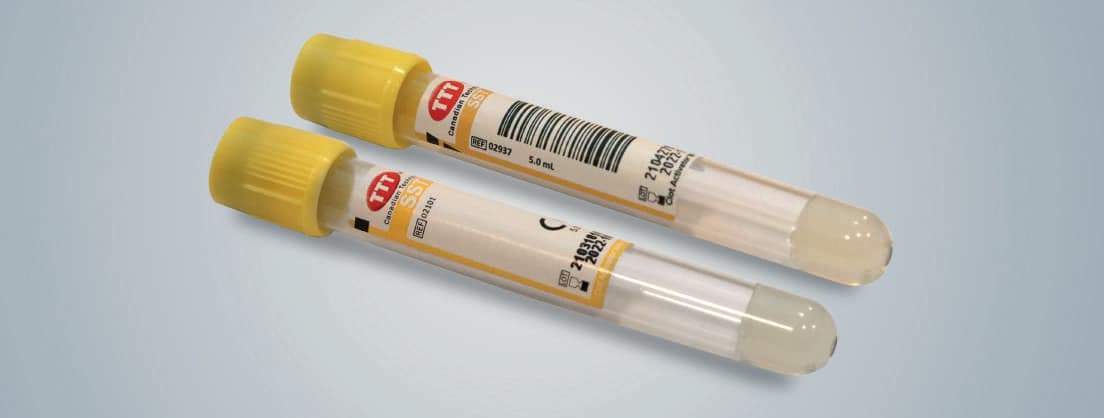
Laboratory tubes are typically manufactured using either glass or plastic materials. Glass tubes are commonly preferr…
See specifications for details.
Series: TTT World
TTT World
Laboratory tubes in glass or plastic for general lab use.

Confirm sizes and availability when ordering. For details: info@unimedline.com
Laboratory tubes in glass or plastic for general lab use. Laboratory tubes are typically manufactured using either glass or plastic materials. Glass tubes are commonly preferred due to their heat resistance and low production cost. However, since glass is more fragile and susceptible to breakage from drops or impact, plastic tubes may offer greater durability. Additionally, plastic tubes can be more suitable for storing certain chemical substances, as plastic tends to be less reactive to specific chemicals compared to glass. Material Selection: The process begins with the selection of the material to be used for manufacturing the laboratory tubes, typically either glass or plastic. Measuring and Cutting: The dimensions of the tubes are determined, and the raw material is cut to form the base shape. Shaping: The cut material is shaped into smooth, round tubes using specialized forming machinery. Processing: During this stage, tube caps are added, and labels displaying measurement units and other relevant information are applied. Quality Control: The finished tubes undergo inspection to identify and remove any defective units.
See specifications for details.
See specifications for details.
See specifications for details.
See specifications for details.
See specifications for details.
See specifications for details.
See specifications for details.
See specifications for details.